
Tailor-made travel is no longer just about choosing a hotel and a flight to suit your tastes. Designing personalized itineraries now involves climate factors, mobility requirements and a need for flexibility—all of which are reshaping the tourism product value chain. Understanding these factors makes it possible to plan adventures around the world that can withstand the unexpected.
Building flexibility into the itinerary: a technical advantage of tailor-made travel
Flexibility is no longer just an option to change a flight ticket free of charge. It has become a design principle built into the very structure of a trip. In practical terms, this means allowing for adaptable days in the itinerary, with alternatives ready to use in case of bad weather or an unexpected site closure.
A well-designed tailor-made itinerary includes what travel professionals call “buffers”: half-days without restrictive bookings, accommodation with flexible cancellation policies, and private transfers that can be rescheduled. The cost of this flexibility varies from one destination to another. In some regions, local providers offer modular rates that absorb part of the additional cost.
We’re seeing travel decisions made more spontaneously than ever, which means itinerary designers need to work with bookings flexible enough to accommodate last-minute changes. Travelers shouldn’t have to bear the cost of this adaptability alone: flexibility should be negotiated in advance with local destination management companies, not when plans change.
To keep up with these developments, Voyage sur Mesure news regularly covers the adjustments offered by specialist operators.
Timing and heat: rethinking destinations and when to travel

Rising temperatures are reshaping the choice of destinations and travel periods. Mediterranean trips are shifting to autumn, while destinations known for their cooler climates are attracting new summer demand. For tailor-made travel, timing has become just as important to personalization as the destination itself.
This trend has a direct impact on pricing. Traveling to Greece in October rather than July eases the pressure on accommodation and transfer prices. Flights are less crowded, and tourist sites return to visitor levels that make for a better-quality experience.
Conversely, some northern and high-altitude destinations are seeing summer prices rise as demand grows. The decision isn’t simply about avoiding the heat: it means weighing climate data, visitor numbers and budget to find the right time to travel. A specialist travel planner considers all three factors at once.
Destinations becoming more appealing outside peak season
- Mediterranean coastlines (Croatia, Sardinia, the Peloponnese) from September to November, with pleasant temperatures and lower prices than during the summer peak
- The Baltic countries and Scandinavia in June and July, with long days and none of the extreme heat found in the south
- The East African highlands (Ethiopia, Rwanda) outside the rainy seasons, for safaris and treks in manageable temperatures
- Japan in November, after the rainy season and before winter, with the autumn maple foliage as a highlight
Shorter, more frequent trips: fragmentation as a personalization strategy
The traditional annual big trip is giving way to holidays split into shorter, more frequent breaks. Driven by budget constraints and the need for regular downtime, this shift opens up new opportunities for personalization that tailor-made travel still underuses.
Three or four mini-breaks a year make it possible to try a range of formats: a long weekend built around a sporting event, a five-day nature escape, or a three-night cultural city break. Each trip becomes a standalone module designed around a specific goal.
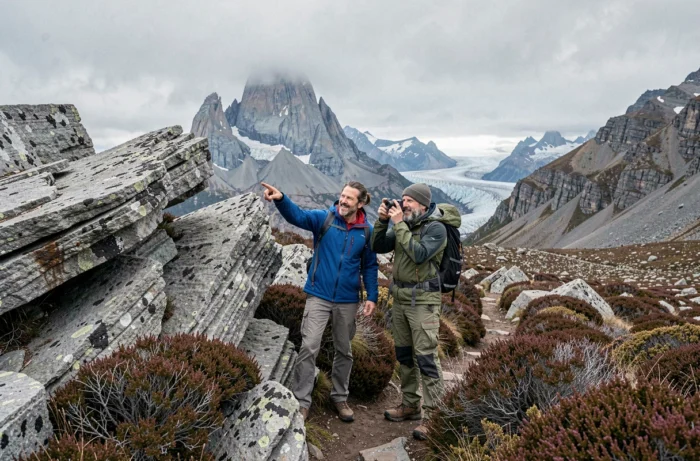
Events can provide the starting point for a personalized itinerary. A festival, competition or temporary exhibition sets the date and destination, after which the planner adds stops or activities tailored to the traveler’s interests. This event-led approach gives structure to the year’s travel plans and avoids the fatigue of “the same kind of holiday every summer.”
Accessibility and mobility: personalizing beyond the destination
Tailor-made travel becomes more personal when it takes into account each traveler’s physical abilities and mobility needs. This isn’t a niche market: adapting an itinerary to someone’s age, preferred level of exertion or reduced mobility matters to a growing number of travelers.
In practice, this means checking accommodation accessibility, the suitability of transfers (adapted vehicles, distances between stops) and the physical demands of planned activities. A high-altitude trek isn’t right for everyone, but a modified version with shorter stages and porters can make the experience accessible.
Practical criteria for a mobility-friendly itinerary
- Keep distances between stops short, with scheduled breaks
- Check accommodation for accessibility (elevator, ground-floor room, accessible bathroom)
- Offer activities at different levels of intensity, with alternatives for each day
- Use private vehicles rather than public transport when physical comfort requires it
This kind of planning requires an in-depth conversation between the traveler and the advisor. Standardized questionnaires aren’t enough: a detailed discussion of the group’s actual abilities helps avoid unpleasant surprises along the way.
Trends in tailor-made travel point to the same principle: thoughtful planning matters more than packing in as many stops as possible. A shorter itinerary, better suited to climate and physical requirements and with room to adapt, delivers a more satisfying experience than a packed but rigid schedule. Successful tailor-made travel anticipates what travelers can’t plan for themselves.