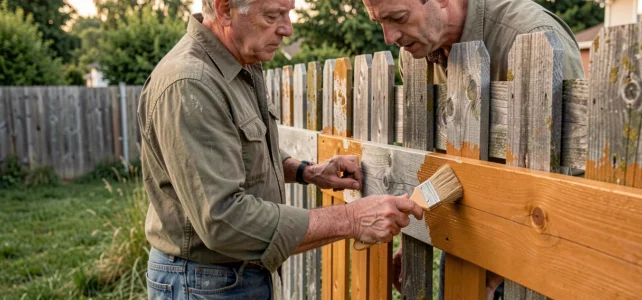
The Parkside polyurethane wood stain, marketed under the Lidl brand, is based on a modified alkyd polyurethane resin that gives it a semi-film-forming film. This type of binder partially penetrates the wood fibers while forming a soft surface layer.
This formulation places it in an intermediate category between pure acrylic stains (low film thickness) and traditional glycerol stains (hard, less elastic film). It is this polyurethane base that explains both its ease of application and the limits of its long-term durability.
Polyurethane resin and prolonged exposure performance: what tests show
Independent comparisons of wood stains published between 2024 and 2025 in European consumer press rank private label products like Baufix or Parkside in the middle of the table. The performance in UV and water resistance remains acceptable for one to two seasons.
However, durability drops significantly beyond three years. Gloss retention and film cohesion degrade faster than those of specialized brand stains tested under the same accelerated exposure conditions. The main advantage of Parkside remains its low purchase price, but this initial gain must be weighed against a higher frequency of reapplication.
For DIY enthusiasts compiling reviews on Lidl’s exterior wood stain, this distinction between short-term performance and multi-season performance is rarely clarified in the quick feedback posted a few weeks after application.
Color consistency issues between Parkside batches
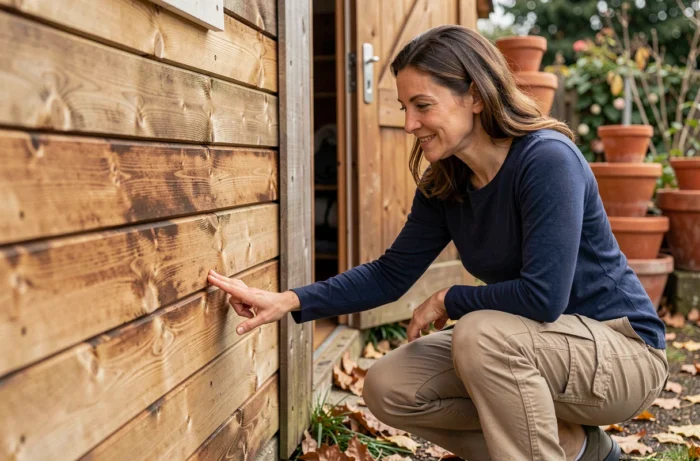
A technical point that mainstream articles do not address: the color variability from one batch to another. On European DIY forums and groups active between 2023 and 2025, users of Parkside and Baufix wood stains regularly report color discrepancies on the same reference (rosewood, light oak, colorless).
This variation stems from the subcontracted manufacturing process and the management of pigments in large, low-cost series. Specifically, buying two cans of Parkside rosewood stain a few months apart can yield a visibly different result on the same fence or garden shed.
We recommend purchasing the entire required volume at once and checking the batch number printed on the can. Mixing cans from different batches in a single container before application mitigates the problem but does not completely eliminate it on dark shades.
Parkside stain and safety standards for wood finishes
Regulatory developments regarding substances contained in wood finishes are progressing. Organizations like Eurofins have been documenting the increasing requirements for the migration of chemical substances since 2024, particularly for woods intended for food contact or playgrounds.
Private label stains do not always communicate their compliance with standards such as EN 71-3 (toy safety) or CPSIA (North American standard). For use on a terrace, fence, or garden shed without prolonged skin contact, this question does not arise.
If you plan to stain a children’s playhouse or garden furniture intended for food contact, this lack of transparency should steer you towards products whose technical data sheets explicitly mention these standards.
When regulatory compliance changes product choice
Competing articles are limited to classic criteria (appearance, durability, price). This dimension of regulatory safety becomes a full-fledged selection criterion for certain projects. A certified stain costs more per liter, but it avoids a complete stripping if the project’s use changes.
User feedback: the most common points
By cross-referencing testimonials from DIY enthusiasts published in recent years, three trends emerge:
- Easy application with a wide brush or roller: the Parkside stain spreads easily, with sufficient open time to correct drips. Beginners appreciate this tolerance.
- Satisfactory aesthetic result in the short term: the rosewood shade, the best-selling, gives a warm appearance that highlights the wood grain during the first season.
- Visible degradation from the second year on heavily exposed surfaces (south-facing, no roof overhang). Users report graying and localized peeling that require sanding and reapplication.
These feedbacks confirm the product’s positioning: an entry-level stain suitable for projects where frequent renewal is not an issue, but insufficient for long-term protection without maintenance.
Actual cost of Parkside stain over multiple seasons
The reasoning based on a one-time purchase cost favors Parkside. The reasoning based on cost per year of effective protection sometimes reverses the situation.
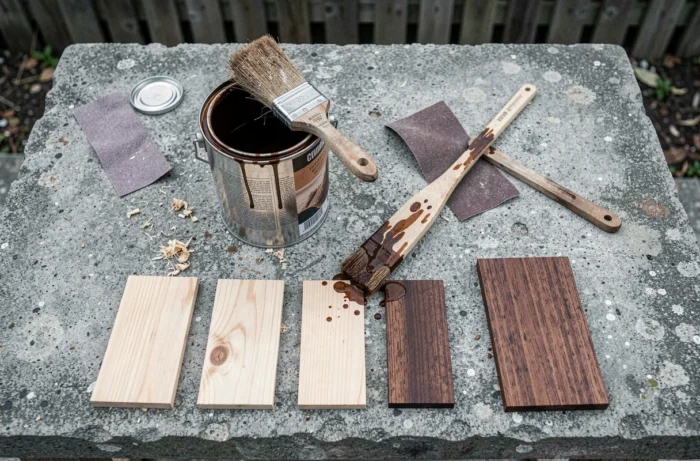
A specialized stain (like Xyladecor, V33 high protection, or Bondex long-lasting) has a significantly higher price per liter. But if its durability exceeds double that of Parkside before reapplication, the cost per protection season becomes comparable, if not lower. It is also necessary to factor in the preparation time for the substrate (sanding, dusting) at each renewal, which represents a significant investment in hours.
For a standard-sized garden shed, the budget difference between two coats of Parkside every two years and a premium stain application every four to five years is worth calculating before purchase.
The Parkside polyurethane stain remains a coherent product for temporary projects or for DIY enthusiasts who prefer to regularly renew their finish at a lower unit cost. On wood that is durably exposed without planned intermediate maintenance, other formulations offer better performance documented by recent comparative tests. The choice is therefore made based on the desired duration of protection, not just on the price tag.