
A running short bought on a whim, a pair of dumbbells that are too heavy ending up under the bed, a heart rate monitor that never syncs: most sports equipment mistakes don’t stem from a lack of budget, but from a poor initial diagnosis. Choosing the right sports gear starts with understanding what your body and your practice require before comparing product specifications.
Durability and maintenance: the true cost of sports equipment
Have you ever noticed that a smooth treadmill in the store becomes noisy after a few months? It’s not a manufacturing defect. It’s often a problem of neglected maintenance.
Field reports in sports facilities show that durability depends as much on maintenance as on initial quality. A mid-range stationary bike that is properly lubricated and recalibrated will last longer than a high-end model left unattended. Before buying, check three concrete elements: the availability of spare parts, the maintenance frequency recommended by the manufacturer, and the existence of a network of repairers.
Compliance also plays a direct role. A weight training device sold without a standardized assembly manual or without a maximum load marking poses a risk of injury. Safety standards for sports equipment exist for a reason: compliant equipment protects your joints and your investment.
To explore different categories of equipment according to your discipline, you can see the equipment on Va Y Avoir Du Sport and compare the available options.
Choosing sports equipment suited to your real goals
Simply saying “I want to get fit” is not enough to guide a purchase. The useful question is more specific: do you want to lose weight, gain cardio endurance, develop your strength, or simply move regularly without getting injured?
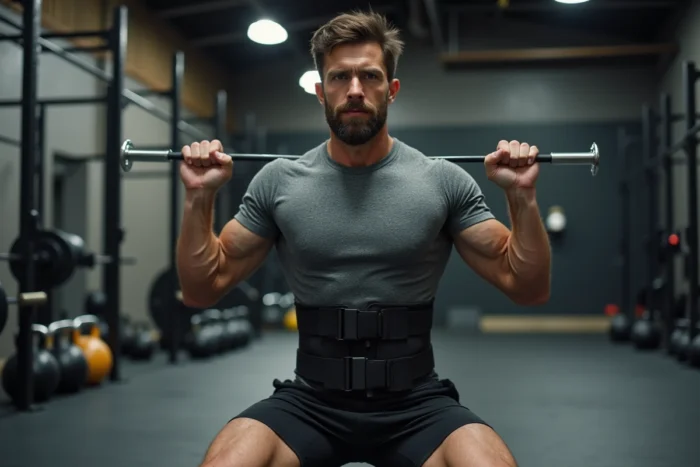
Each goal calls for a different type of equipment. Here’s how to reason:
- Endurance and cardio: a rowing machine or an elliptical bike engages both the upper and lower body simultaneously, making them more versatile than a simple treadmill for a complete workout
- Strength training and mass gain: an Olympic bar with adjustable weights covers the majority of fundamental movements, whereas a guided machine only targets one muscle group at a time
- Mobility and recovery: a massage roller, variable resistance elastic bands, and a sufficiently thick mat form a basic kit often overlooked, yet it reduces the risk of injury in the long term
The common trap is buying for the image you have of your future practice rather than for your actual practice. If you plan for two sessions a week, a versatile and compact piece of equipment will be used more than a complete weight station that clutters your living room.
Digital tracking and hybrid uses: what really changes performance
The sports equipment market is increasingly incorporating sensors, apps, and connected functions. GPS watches, power sensors on bikes, coaching apps: the range is wide. But does all this digital tracking really improve your results?
The answer depends on what you do with it. A useful sensor is one whose data you read every week. A heart rate monitor that stays in its drawer after the initial excitement adds no value. Before investing in connected equipment, ask yourself a simple question: am I ready to spend five minutes after each session analyzing my data?
Hybrid uses are also developing. More and more practitioners alternate between home training and sessions in the gym or outdoors. This mode of practice imposes an additional selection criterion: the portability and modularity of the equipment. Adjustable weight dumbbells, a TRX, or resistance bands fit into a bag. A squat rack does not.

The commercial sports leisure sector is experiencing rapid growth, which multiplies the available options but also the gadget products. A good filter: if the device promises results without effort or without progression, it’s a warning sign.
Concrete selection criteria for durable fitness equipment
When comparing two products, online reviews and technical sheets only tell part of the story. Here are the criteria that make a difference in practice.
Weight and stability are reliable indicators of quality for strength or cardio devices. A stationary bike that is too light will vibrate at high intensity. An unstable weight bench will limit your working loads and increase the risk of injury.
Noise is a criterion rarely mentioned in comparisons, but crucial for home practice. A magnetic resistance rowing machine will be significantly quieter than an air resistance model, which makes a difference if you train early in the morning or in an apartment.
- Check the maximum load supported, especially if you progress quickly in strength training: an undersized device will become obsolete in a few months
- Test the ergonomics of the handles, seating, and adjustments before purchase, or consult feedback from users of a similar build to yours
- Prefer brands that publish their maintenance protocols and sell wear parts (cables, pads, belts) separately
A well-chosen piece of equipment is one that you will still use in two years. The actual frequency of use, not the hoped-for frequency, should guide every purchasing decision. If your current equipment is gathering dust, the problem is probably not its quality, but its suitability to your daily life and concrete goals.