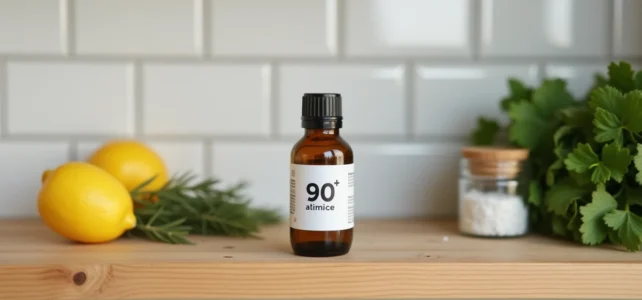
Food-grade 90° alcohol (also known as neutral alcohol or pure alcohol) falls under a specific regulatory framework in France, and its actual availability no longer always corresponds to what the law permits. Understanding the fiscal, health, and commercial constraints surrounding this product helps avoid purchasing mistakes and confusion with denatured alcohol.
Excise Duties and Taxation on Food-Grade Neutral Alcohol
All ethyl alcohol sold in France is subject to excise duties as stipulated by the General Tax Code. Food-grade neutral alcohol at 90° is not exempt from this taxation, which explains its significantly higher price compared to denatured household alcohol sold in drugstores.
Denatured alcohol benefits from an exemption from excise duties because it contains agents making it unfit for consumption. Food-grade alcohol, on the other hand, bears the full tax burden applicable to spirits. This tax burden is directly reflected in the selling price per liter.
For professionals (pharmacists, distillers, laboratories), exemption regimes exist under the condition of prior professional declaration to customs and rigorous material accounting. The individual, however, pays the full price without the possibility of deduction. Before buying food-grade 90° alcohol, we recommend checking that the product clearly states “fruit alcohol” or “neutral alcohol” on the label, as only this category is intended for consumption use.
Decline of Pharmacies and Scarcity of Sales Points
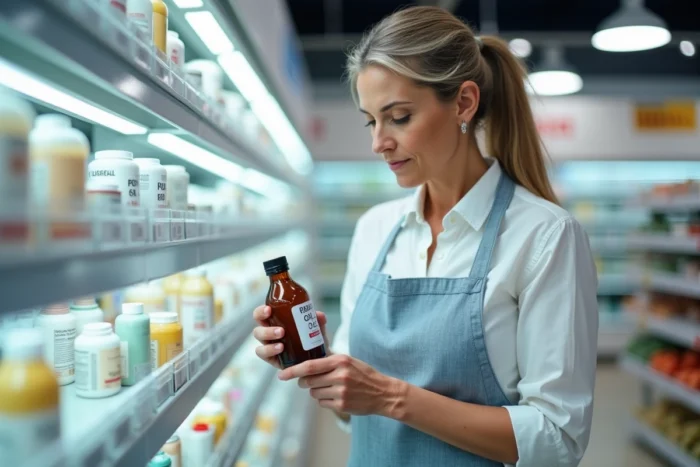
Pharmacies have long been the historical sales point for 90° alcohol. The reality on the ground has changed. Many pharmacies have voluntarily stopped dispensing strong alcohol at retail, due to the combined effects of public health recommendations and an internal policy to reduce access to high-proof products.
The Public Health Code does not formally prohibit this sale to individuals. The distortion between theoretical law and observed practices creates confusion for the buyer: presenting oneself at the counter no longer guarantees obtaining the product.
This scarcity affects rural and semi-rural areas more, where the pharmacy network is structurally diminishing. In these territories, individuals seeking food-grade 90° alcohol to prepare fruits in brandy often have to turn to other channels.
Food-Grade 90 Alcohol in Supermarkets: Labeling and Common Traps
The household goods section of a supermarket almost systematically offers 90° alcohol, but in most cases, it is denatured household alcohol, unfit for any consumption. The degree displayed on the bottle is not sufficient to distinguish between the two products.
We observe that confusion persists because the shelf display does not always highlight the nature of the product. Here are the elements to check on the label before purchasing:
- The mention “fruit alcohol,” “neutral alcohol,” or “agricultural origin ethyl alcohol” confirms an authorized food use.
- The presence of denaturants (methyl ethyl ketone, isopropanol, Bitrex) indicates household alcohol, toxic if ingested.
- The sales section provides a clue: food-grade alcohol is found in the spirits or gourmet food section, never in the household goods or cleaning section.
Some brands have removed food-grade 90° neutral alcohol from self-service without clear communication. Availability varies from store to store within the same brand, including on Drive platforms. Checking online stock before going is still the most reliable approach.
Mandatory Regulatory Mentions on the Label
The label of food-grade alcohol must mention the volumetric alcohol content, the agricultural origin of the ethanol, and the net volume. The absence of any of this information should raise a red flag.
A product sold without an origin mention or with only the indication “modified alcohol” does not fall under the food category. This labeling detail constitutes the only reliable criterion for the non-professional consumer.
Purchase Alternatives: Gourmet Stores, Specialized Websites, and Private Sales
Gourmet stores and shops specializing in preservation products (fruits in alcohol, homemade liqueurs) provide a more transparent purchasing circuit than large retailers. The product is clearly identified there, and the staff can confirm its food use.
Online sales of alcoholic beverages are regulated by French law. Websites selling food-grade alcohol must comply with the same obligations as physical sales points:
- Prohibition of sales to minors, with age verification at the time of order and delivery.
- Display of the mandatory health message regarding alcohol consumption.
- Mention of the alcohol content and volume on the product sheet.
Private sales of 90° neutral alcohol are prohibited without holding the status of a licensed beverage seller or an appropriate license. Buying on an informal market or through a private ad exposes one to an untraceable and potentially denatured product.
Health Regulations and Product Classification
French public health policies tend to limit the accessibility of high-proof alcoholic products. This orientation does not only target commonly consumed beverages: food-grade neutral alcohol at 90° is under surveillance, even when intended for fruit preservation.
The take-out sales license (small license or corresponding category license) applies to businesses offering this type of product. A grocery store wishing to sell food-grade 90° alcohol must have the appropriate license, just like a wine merchant selling spirits.
The legal purchase of food-grade 90° alcohol remains possible in France, but the process has become more complex. Identifying the right circuit, reading the label carefully, and favoring specialized stores or pharmacies that maintain this offer are now the only guarantees of a compliant purchase.