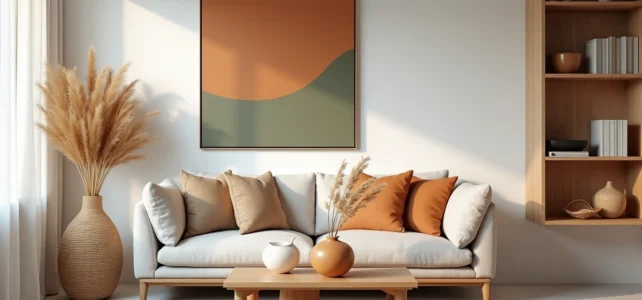
When redesigning a terrace or rethinking a living room, the first instinct is often to look for a style. The problem is that this year’s decor and garden trends are not limited to a color palette or a type of furniture. They are influenced by concrete constraints: regulations on garden sheds, mandatory energy renovations for certain homes, and the rise of recycled materials that change the game regarding prices and sustainability.
Development tax on garden sheds: what changes for your outdoor projects
Before dreaming of a pool house or a workshop at the end of the garden, it’s essential to check the tax implications. The development tax applies to any enclosed and covered construction over 5 m² and 1.80 m in height, with updated flat-rate values. A storage shed, a garden studio, a closed veranda: everything is included.
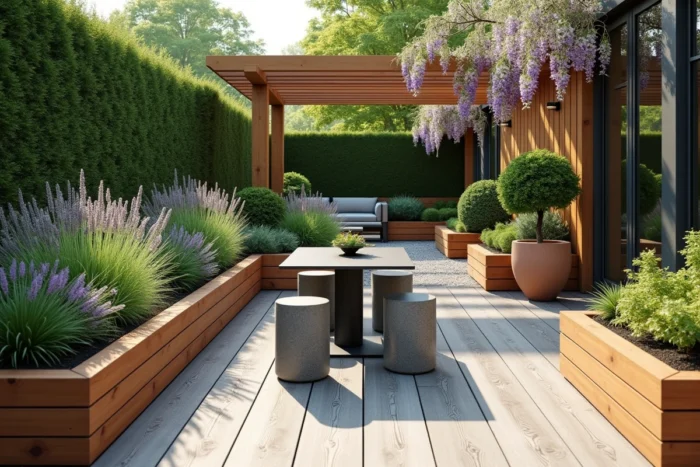
In practice, this pushes many homeowners towards open structures (pergolas, canopies without fixed walls) or towards sheds of less than 5 m² that escape this taxation. You can find all the information on Déco et Jardin to follow these regulatory changes that directly influence outdoor design choices.
On the ground, this tax constraint has a positive side effect: it encourages open spaces, summer kitchens without walls, and garden lounges covered by simple shade sails. The garden gains visual lightness.
Energy performance and interior decoration: why we no longer choose a floor as before
The reform of MaPrimeRénov’ and the tightening of the DPE push homeowners of properties classified F and G towards comprehensive renovations. We no longer redo a living room just for the pleasure of a new floor: insulation and heating take precedence over the choice of flooring.
This has direct consequences on interior decor trends. Floors are now chosen based on their compatibility with low-temperature underfloor heating. Large-format tiles and porcelain stoneware slabs remain favored because they conduct heat well. Solid wood flooring, on the other hand, requires more precautions (limited thickness, stable species like oak).
Joinery and glass roofs: thermal arbitration
Workshop glass roofs continue to be popular for separating kitchens and living rooms. Opinions vary on this point: some single-glazed steel roofs are true thermal sieves. To remain consistent with a high-performance renovation, one should opt for double-glazed roofs with thermal bridge breakage, which are more expensive but compatible with DPE requirements.
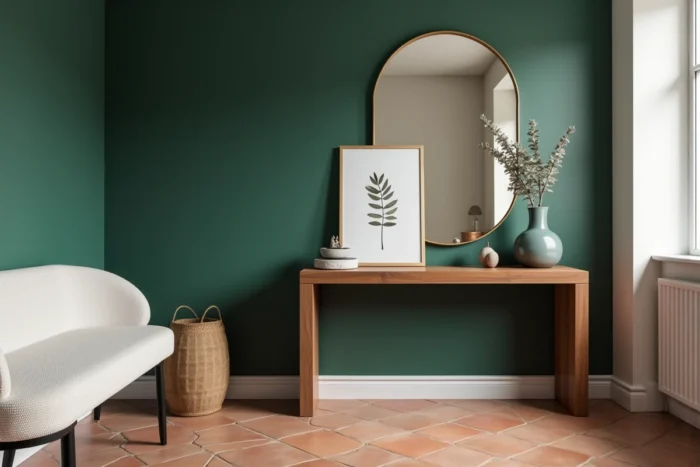
In terms of interior colors, earthy tones dominate the palettes: ochre, terracotta, sage green. This is not by chance. These shades naturally complement low-carbon materials (lime-based coatings, bio-sourced paints) that artisans are increasingly applying on renovation sites.
Garden furniture made from recycled materials: what it changes in daily life
Recycled plastic and textiles made from PET bottles are no longer novelties at trade shows. They can be found in the regular collections of outdoor furniture. The practical question that arises: does it age well?
- Woven resins made from recycled plastic resist UV well and do not gray like untreated wood, but they can deform under high heat if the metal structure is too light
- Cushions made from recycled fabric dry quickly and withstand washing, provided the weight is checked (a fabric that is too thin pills from the first season)
- Wood sourced from sustainably managed forests (FSC or PEFC certified) remains the most versatile material for tables and benches, requiring annual maintenance with oil or saturator
A garden lounge made from recycled materials costs roughly the same as a classic equivalent, sometimes a bit more for designer ranges. The gap is narrowing year by year.
Self-sufficient garden and permaculture: going beyond the simple vegetable bed
The trend of gardens designed as self-sufficient systems is gaining momentum. We are no longer just talking about placing three vegetable squares on a terrace. The idea is to reduce watering through permanent mulching, promote biodiversity with plant associations, and create areas that function without constant intervention.
In practice, this translates into specific design choices:
- Water collectors integrated into the garden design (buried or clad in wood), not just placed against a wall
- Beds of perennials and Mediterranean herbs (lavender, rosemary, thyme) that withstand summer drought without watering
- Insect hotels and piles of wood left intentionally to welcome beneficial wildlife, which reduces the need for treatments
This approach also changes the visual ambiance of the garden. We move away from closely mown lawns and neatly trimmed hedges. The “moving garden” style mixes grasses, wildflowers, and berry shrubs, with a freer look that paradoxically requires less maintenance than a traditional garden once established.
The outdoor sofa as a central piece
The last point connecting the interior and garden: the outdoor sofa is taking on the proportions of a living room piece. Modular models with reclining backs and integrated tables are gradually replacing the traditional four-piece resin lounge set. The colors follow the same trend as indoors: neutral (stone gray, sand beige) or earthy, with accent cushions in brighter shades for those who want to energize the whole.
This year, interior design and gardens converge towards the same logic: sustainable materials, regulations guiding choices, and a style that prioritizes functionality. The most useful approach is to start from real constraints (budget, exposure, DPE of the property) before choosing a color or a piece of furniture.